Physiotherapy
our services
General physiotherapy
Physiotherapists in South Africa are classified as first line practitioners; i.e. they are qualified to make a diagnosis regarding musculo-skeletal injuries and conditions. Physiotherapists use various treatment modalities for the treatment and rehabilitation of injuries.
Conditions treated
- Sports injuries
- Joint and soft tissue injuries (sprains/strains)
- Back and neck pain
- Whiplash
- Prolapsed discs
- Mechanical lower back pain
- Joint degeneration
- Sciatica
- Concussion
- Headaches
- Repetitive strain and overuse injuries
- Post-surgical orthopaedic rehabilitation
- Women's health
- SIJ Dysfunction
- CRPS
- Ligament reconstructions
- Tendinopathies
- Joint replacement/rehabilitation
- Arthritic conditions
- Postural malalignment dysfunction and muscle imbalance
- Ergonomic strain, injuries and advice
- Stress management
- Respiratory conditions
- Sinusitis
- TMJ (Jaw) Dysfunction
- Neurological Rehabilitation
- DGS (Deep Gluteal Syndrome)
Modalities used
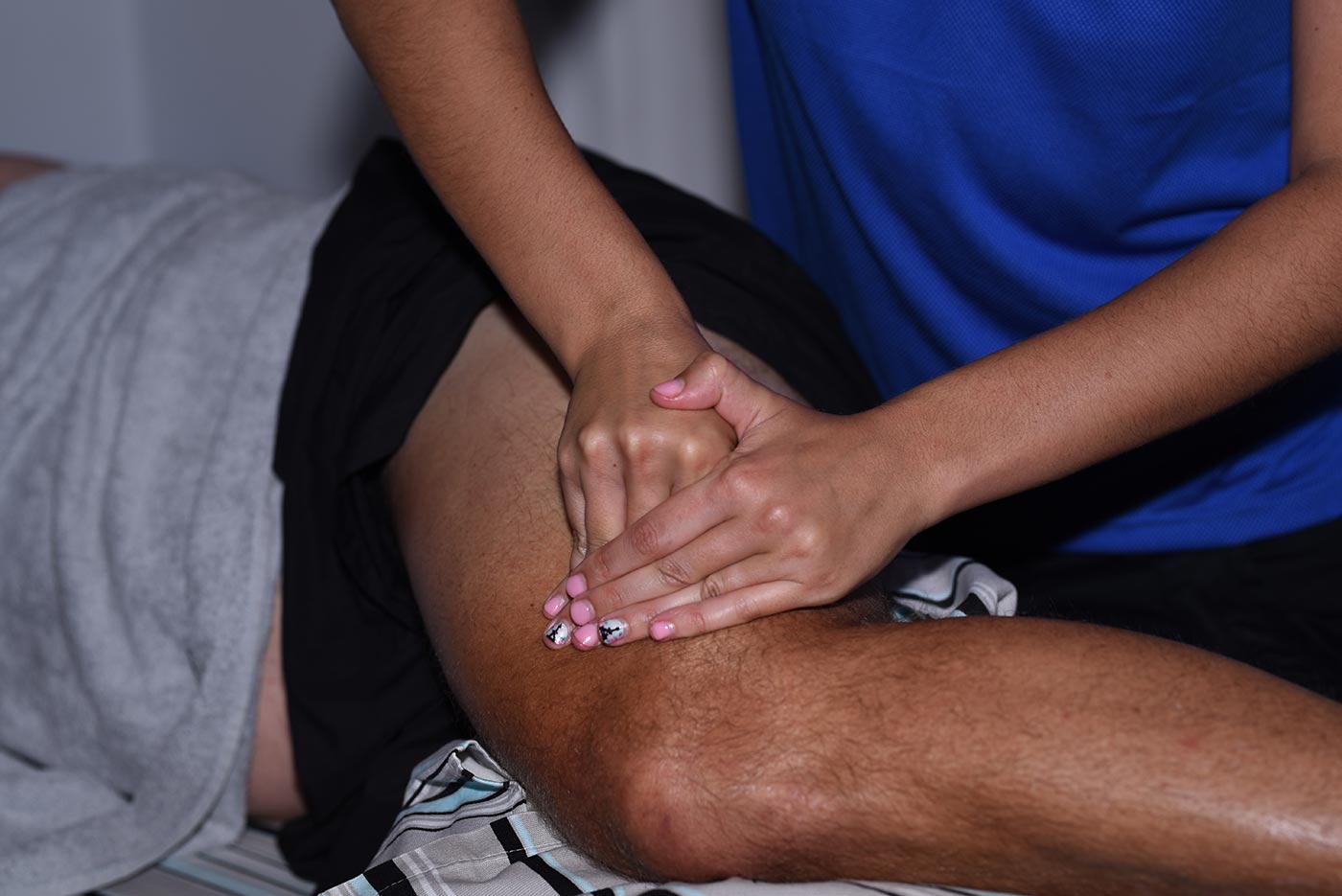
- Manual soft tissue release techniques
- Shockwave therapy
- Dry needling
- Massage - Deep Tissue & Therapeutic
- Electrotherapy: US, TENS and EMS
- Trigger point therapy
- Joint mobilisation
- Hydrotherapy
- Strapping & taping
- Neural mobilisation
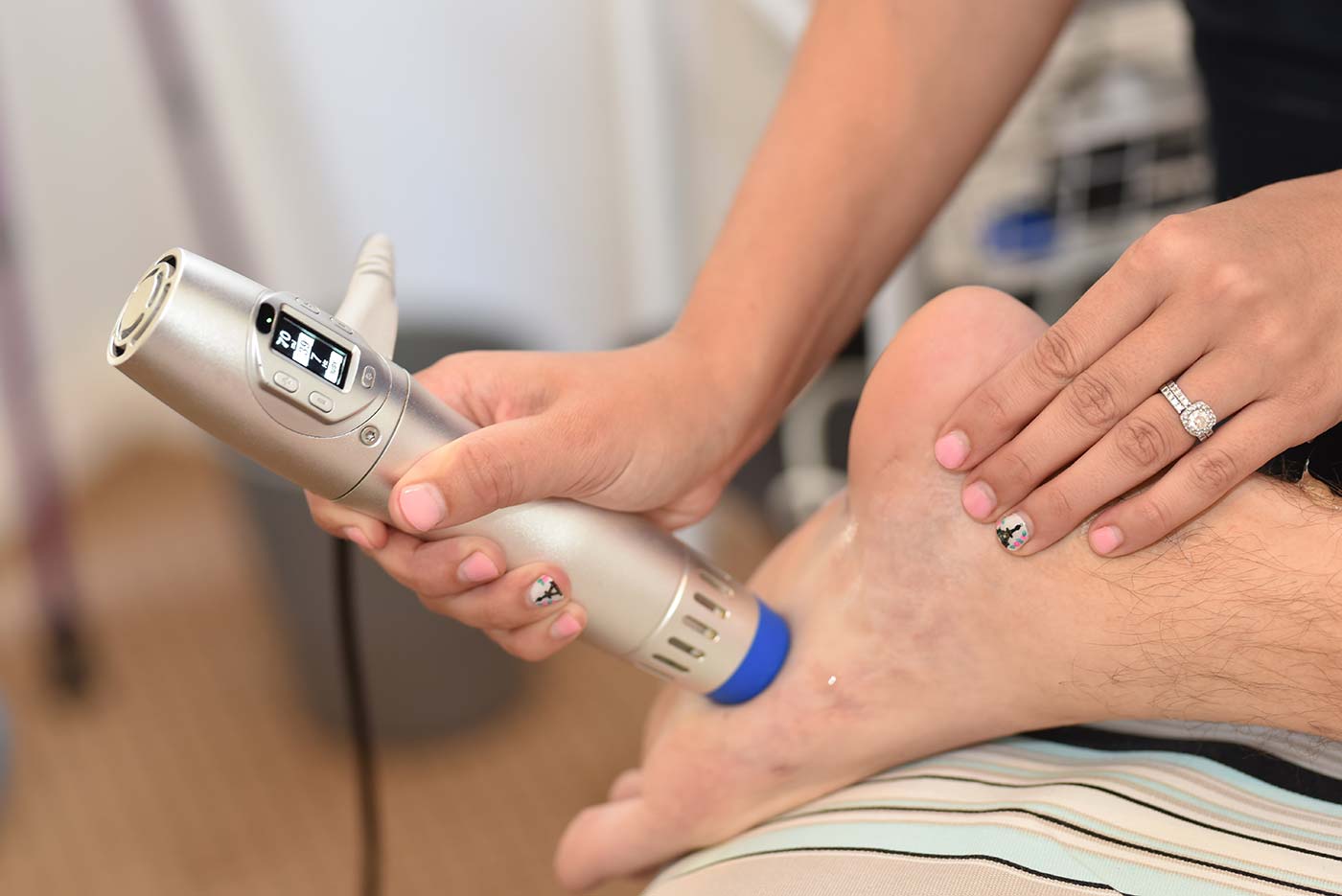
Shockwave therapy
Shockwave is a non-invasive medical treatment that sends high-energy acoustic pressure waves through the skin and into the injured soft tissue. The vibration and heat generated by the Shockwave machine effectively breaks down scar tissue, calcification & thickening of tendons (Tendinopathies). Shockwave has positively influenced the outcome and drastically reduced the healing time of chronic and traditionally treatment resistant conditions.
Shockwave therapy has shown to effectively treat the following conditions:
- Feet: Heel Spurs, Plantar Fasciitis, Achilles Tendonitis
- Elbow: Tennis and Golfer’s Elbow
- Shoulder: Calcific Tendinosis of Rotator Cuff Muscles & Frozen Shoulder
- Knee: Patellar Tendonitis & ITB
- Hip: Bursitis, DGS (Deep Gluteal Syndrome), Piriformis Syndrome & Gluteus Medius Tendinopathy & Hamstring Tendinopathy
- Lower leg: Shin Splints
- Skin & soft tissue: Scar tissue
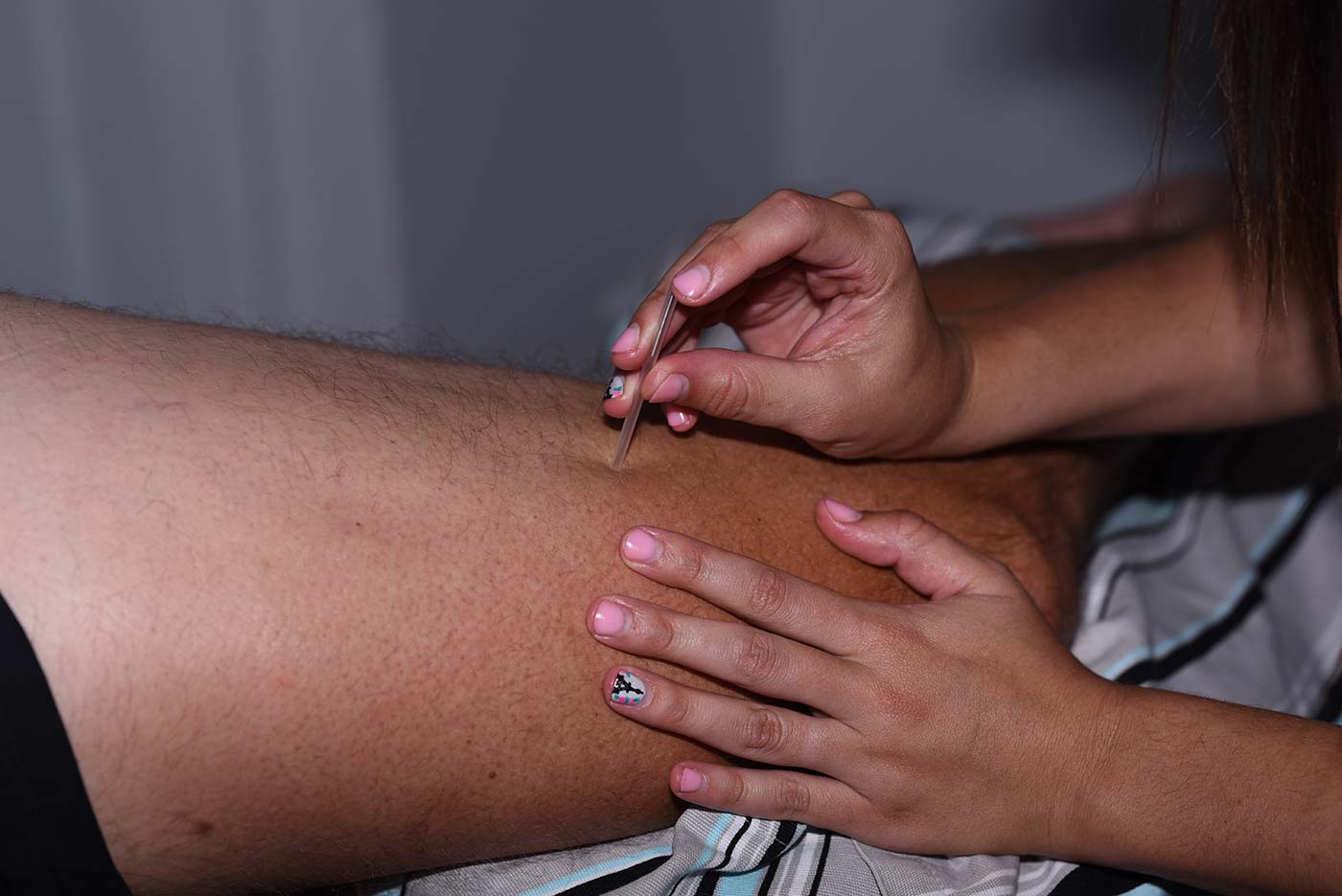
Dry needling
Dry needling is the use of acupuncture needles to treat muscle dysfunction and pain caused by trigger points.
Dry needling is effective in the treatment of:
- Trigger points
- Muscle spasm
- Tendinopthies such as Golfer's and Tennis Elbow
- TMJ dysfunctions
- Sinusitis
- Piriformis syndrome
- Back and neck pain
Concussion management
A concussion is an energy crisis within the brain that requires prompt medical attention. Experiencing multiple minor concussions can be just as damaging—if not worse—than a single severe concussion that results in a loss of consciousness. Fortunately, it is never too late to treat a concussion and manage its symptoms. Concussion care and rehabilitation have advanced significantly in recent years, making one fact increasingly clear: omitting a proper recovery program can have a lasting negative impact on your long-term brain health and quality of life.
- Baseline assessment: This should be completed during the off-season or prior to any potential head injury. It provides your physiotherapist with an accurate measure of your baseline brain health. If you do sustain a concussion during the season, these results allow us to measure the exact impact of the injury, tailor your rehabilitation program, and guide your safe return to play.
- Post-concussion Assessment: It is never too late to get evaluated. Whether your injury occurred hours ago, or weeks, months, or even years in the past, we can assess your brain health and help manage the symptoms of your brain's energy crisis.
- Post-concussion rehabilitation: Rehabilitation of a concussion can start at any stage and is extremely important in order to minimise the immediate and long-term effects of a concussion and or multiple concussions.
Fascia, body alignment & posture correction
Fascia is a continuous web of connective tissue that wraps around every muscle, organ, bone, and nerve in the body. It consists of two main layers: a superficial layer just beneath the skin, connected to a deeper layer by a spiderweb-like structure. Healthy fascia is smooth, well-hydrated, an flexible—keeping your joints, ligaments, muscles, and tendons stable, mobile, and healthy.
This lubricated network maintains your body's structural alignment and supports good posture. When fascia is compromised, it loses its tensegrity, placing unnatural strain on your joints and surrounding tissues. Over time, this restriction severely degrades your posture, mobility, and overall physical function.

- Posture assessment
- Prevent sports injuries by addressing fascial restrictions through our integrated approach. We use various myofascial release techniques, trigger point therapy & dry needling.